
Why Visit Jeju Island?
Jeju Island, often called the “Hawaii of Korea,” is South Korea’s top destination for nature, culture, and relaxation. Known for its stunning beaches, volcanic landscapes, waterfalls, caves, and unique traditions, Jeju attracts millions of domestic and international visitors each year. Whether you love nature, have a passion for history, or are seeking a peaceful getaway, Jeju offers the perfect mix of adventure and tranquility.
This 7-day Jeju Island travel guide will lead you to iconic attractions like Hallasan Mountain, Seongsan Ilchulbong (Sunrise Peak), Jeongbang Waterfall, and lively night markets. You will also find hidden gems, cultural temples, and shopping spots that will make your trip unforgettable.
Day 1: Arrival and Hamdeok Beach
Hamdeok Beach – Your Jeju adventure starts at Hamdeok Beach, famous for its turquoise waters and soft white sand. This beach is ideal for swimming, sunbathing, and water sports. Nearby cafés and seafood restaurants provide great options to unwind after your journey.
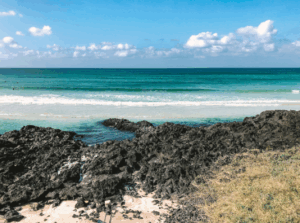
Evening at Seoubong Peak – A short hike from the beach, Seoubong Peak has some of the best photo spots in Jeju. The sunset here is breathtaking and sets a perfect tone for your vacation.
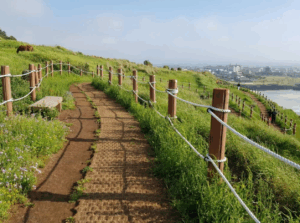
Travel Tip: Stay in a beachfront guesthouse to enjoy early morning ocean views.
Day 2: Hallasan Mountain & Jeju’s Natural Wonders
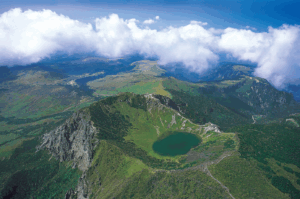
Hallasan Mountain – A UNESCO Biosphere Reserve, Hallasan is the tallest mountain in South Korea. Hiking trails like Seongpanak and Gwaneumsa let you explore volcanic landscapes, crater lakes, and diverse plant life.
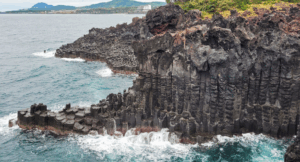
Daepo Jusangjeolli Cliff – After your hike, head to this stunning cliff created by lava from Hallasan. The hexagonal rock formations against crashing waves make it a must-see.
Travel Tip: Wear comfortable hiking shoes and bring snacks and water if you plan to hike all day.
Day 3: Sunrise and Coastal Walks
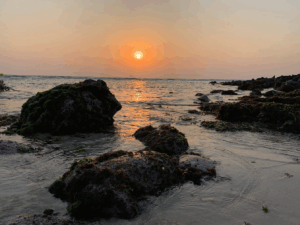
Seongsan Ilchulbong (Sunrise Peak) – One of Jeju’s most iconic landmarks. Wake up early to hike and experience a magical sunrise over the ocean. This tuff cone crater is also a UNESCO World Heritage Site.
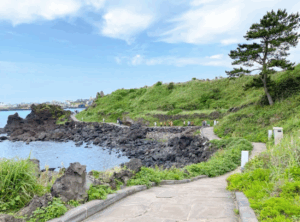
Handam Coastal Walk – A beautiful seaside trail perfect for a leisurely stroll while enjoying Jeju’s coastline. Small cafés along the path provide a peaceful experience.
Travel Tip: Sunrise Peak gets crowded in the mornings – arrive at least 30 minutes early.
Day 4: Unique Attractions of Jeju
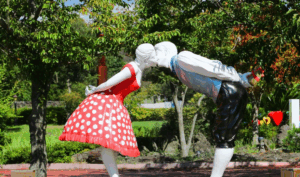
Jeju Love Land – A quirky outdoor sculpture park that explores themes of love and relationships. It’s unique, fun, and offers an experience unlike any other attraction in Korea.
Jeongbang Waterfall – One of the few waterfalls in Asia that falls directly into the ocean. It’s a stunning sight, especially in summer.
Travel Tip: Visit Love Land in the afternoon and the waterfall in the evening for the best lighting.
Day 5: Museums and Local Culture
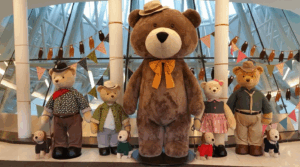
Teddy Bear Museum – A family-friendly spot showcasing teddy bears from around the world. It offers fun for both kids and adults.
Yakcheonsa Temple – One of the largest Buddhist temples in Korea, featuring beautiful architecture, giant Buddha statues, and peaceful surroundings.
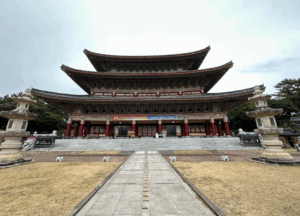
Travel Tip: Dress modestly when visiting temples.
Day 6: Adventure and Shopping
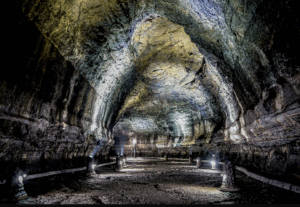
Manjanggul Cave – A UNESCO World Heritage lava tube that stretches over 13 kilometers. Visitors can explore a 1 km section filled with unique formations.
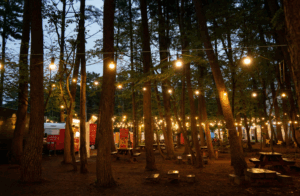
Jeju Night Market – A paradise for food lovers. Try local dishes like black pork barbecue, seafood pancakes, and hallabong (Jeju oranges).
Travel Tip: Bring cash for local market shopping.
Day 7: Traditional Villages & Farewell
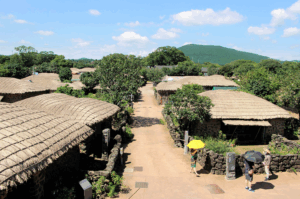
Jeju Folk Village – Experience Jeju’s traditional lifestyle in this village. It features thatched houses, cultural artifacts, and folk performances.
Seogwipo City & Souvenirs – Spend your last evening exploring shops for souvenirs like Jeju tea, hallabong chocolates, and handmade crafts.
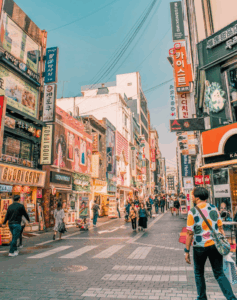
Travel Tip: Buy hallabong-based products – they’re unique to Jeju.
Food Guide: What to Eat in Jeju
Jeju Black Pork BBQ – A must-try grilled dish.
Haemul Jeongol – A flavorful seafood hotpot.
Jeju Oranges (Hallabong) – Sweet, juicy, and famous island produce.
Abalone Dishes – Fresh and healthy seafood served in porridge or grilled.
Jeju Seafood Ramen – A spicy, comforting dish perfect after exploring.
Festivals & Culture in Jeju
Jeju Fire Festival – Held in early spring with torch parades and bonfires.
Jeju Canola Flower Festival – In April, fields bloom in yellow, creating breathtaking views.
Chuseok (Korean Thanksgiving) – Experience Korean traditions if you visit in autumn.
Travel Tips for Jeju Island
Best Time to Visit: Spring (April–June) for flowers, Autumn (September–November) for pleasant weather.
Local Transport: Renting a car is convenient; buses are available but run less frequently.
Language: Basic English is spoken in tourist areas, but knowing simple Korean phrases is helpful.
Currency: South Korean Won (KRW).
For more Korean travel experiences and exclusive 5-day tour offers, check out Dynasty Korea.
If you want to read additional guides and travel stories, platforms such as Dynasty Korea provide useful information from other travelers
FAQs about Jeju Island
Q1. How many days are enough for Jeju?
A 5–7 day trip is ideal to see beaches, mountains, caves, and cultural sites.
Q2. Is Jeju Island family-friendly?
Yes, attractions like beaches, museums, and folk villages are perfect for families.
Q3. What is the best time to visit Jeju Island?
Spring and autumn offer the best weather, while summer is great for beach activities.
Q4. Do I need a visa for Jeju?
Some countries allow visa-free entry. Check Korean immigration rules before you travel.
Q5. Is it better to rent a car in Jeju?
Yes, renting a car is the most convenient way to explore the island at your own pace.
Conclusion
Jeju Island is more than just a tourist destination – it offers an experience filled with nature, culture, and tranquility. From hiking Hallasan Mountain to watching the sunrise at Seongsan Ilchulbong, exploring lava caves, and enjoying Jeju’s delicious food, each day brings something new. Whether traveling solo, with family, or as a couple, Jeju promises lasting memories.

