80 THINGS TO DO IN KOREA: THE ULTIMATE BUCKET LIST

Oh wow, compiling a list of must-do activities in Korea is such an exciting task, but we’ve managed to narrow it down to the absolute essentials. Despite having written extensively about this incredible country, we realized we’ve never created a fun bucket list-style post. So, drawing from our countless visits and experiences of living there, we’ve put together a curated selection of the MOST quintessentially Korean experiences you can have in Korea. Join us on this adventure!

Here are some significant highlights (such as visiting Gyeongbokgung) alongside fun memories from my time living there, like adapting to a bathroom that doubled as a shower or becoming a frequent consumer of Korean fried chicken, often navigating the process of explaining my apartment’s location to delivery personnel.

Whether you’re considering teaching in Korea for a year or simply planning a visit, I hope you enjoy ticking off these experiences from your Korea bucket list!

80 THINGS TO DO IN KOREA: THE ULTIMATE BUCKET LIST

To simplify, here are the distinct sections I’ve categorized these experiences into:

  • traditional & historical things to do
  • things that people living in Korea will experience
  • travel-y things to do
  • beauty-related things to do
  • fun things to do (trendy, K-pop, K-drama, quirky)
  • seasonal things to do
  • foodie things to do


TRADITIONAL & HISTORICAL ACTIVITIES IN KOREA

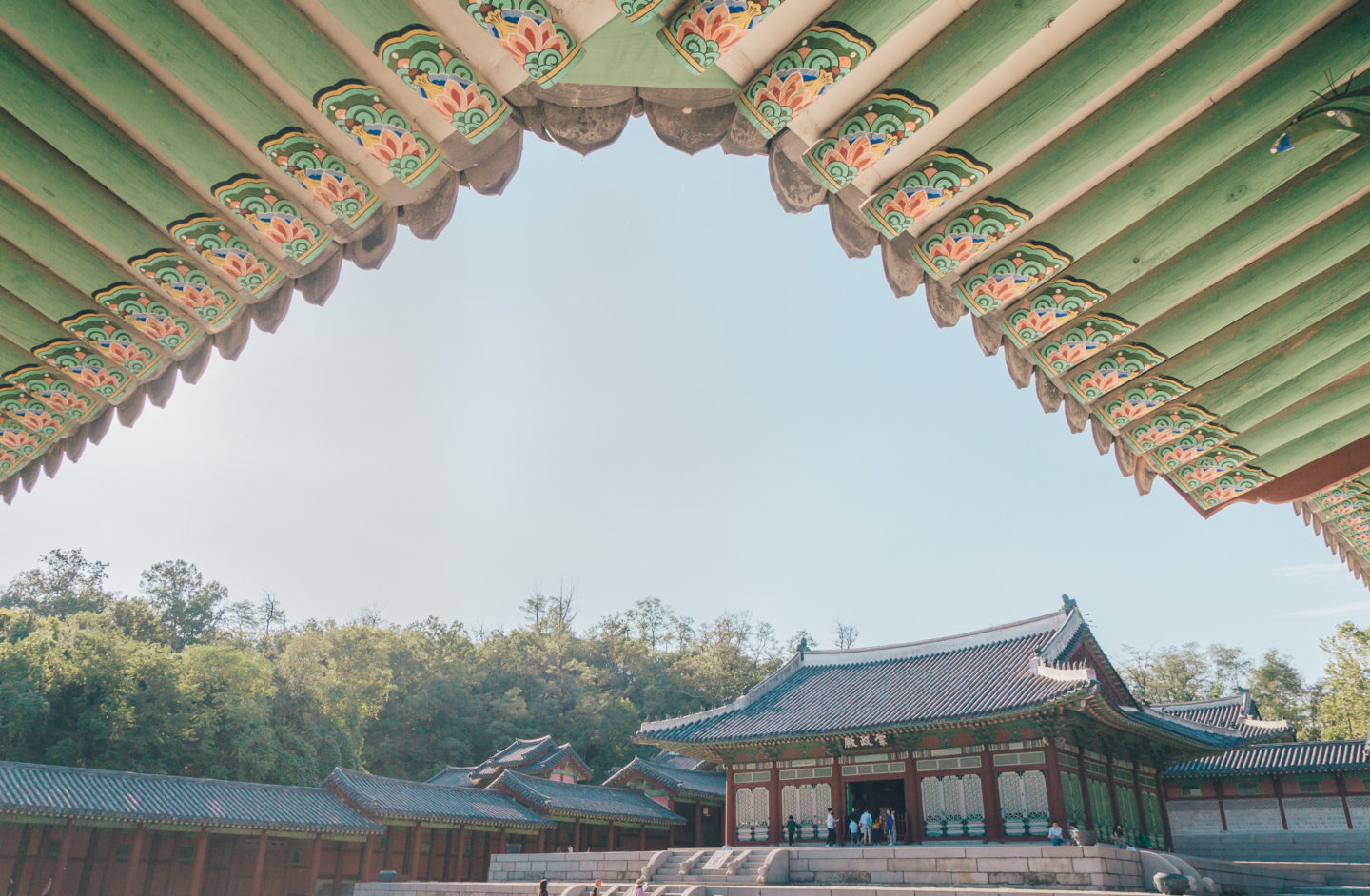
1. Visit Gyeongbokgung (and the other palaces)

Explore Gyeongbokgung Palace (and other Palaces) Korea’s rich royal history dates back to legendary figures like Dangun Wanggeom around 2333 BC, though much of this era is viewed through mythological lenses. From the onset of Japanese imperial rule in 1910 to the peninsula’s division in 1945, Korea maintained a continuous lineage of royal families. Given that 1945 isn’t too far off, the architecture, customs, and culture of the Joseon dynasty endure prominently to this day. Visiting these palaces offers a breathtaking glimpse into Korea’s architectural marvels, making it a must on your itinerary.

You can refer to our comprehensive guide on Seoul’s palaces to decide which one best suits your interests. Among them, Gyeongbokgung Palace stands out as a top choice, while Changdeokgung Palace is renowned for its secret garden and scenic views of Deoksugung Palace.

Bonus tip: Entrance is free on major holiday weekends like Chuseok or if you dress in a hanbok (traditional Korean attire)! Additional Insight: For K-drama enthusiasts, “The Last Empress (황후의 품격)” offers a captivating reinterpretation of Korea as a constitutional monarchy—an absolute must-watch!

Explore these palaces with curated tours:

  • Seoul Palaces, Temples, and Markets Tour
  • Korean Palace Tour
  • Seoul Historic Walking Tour

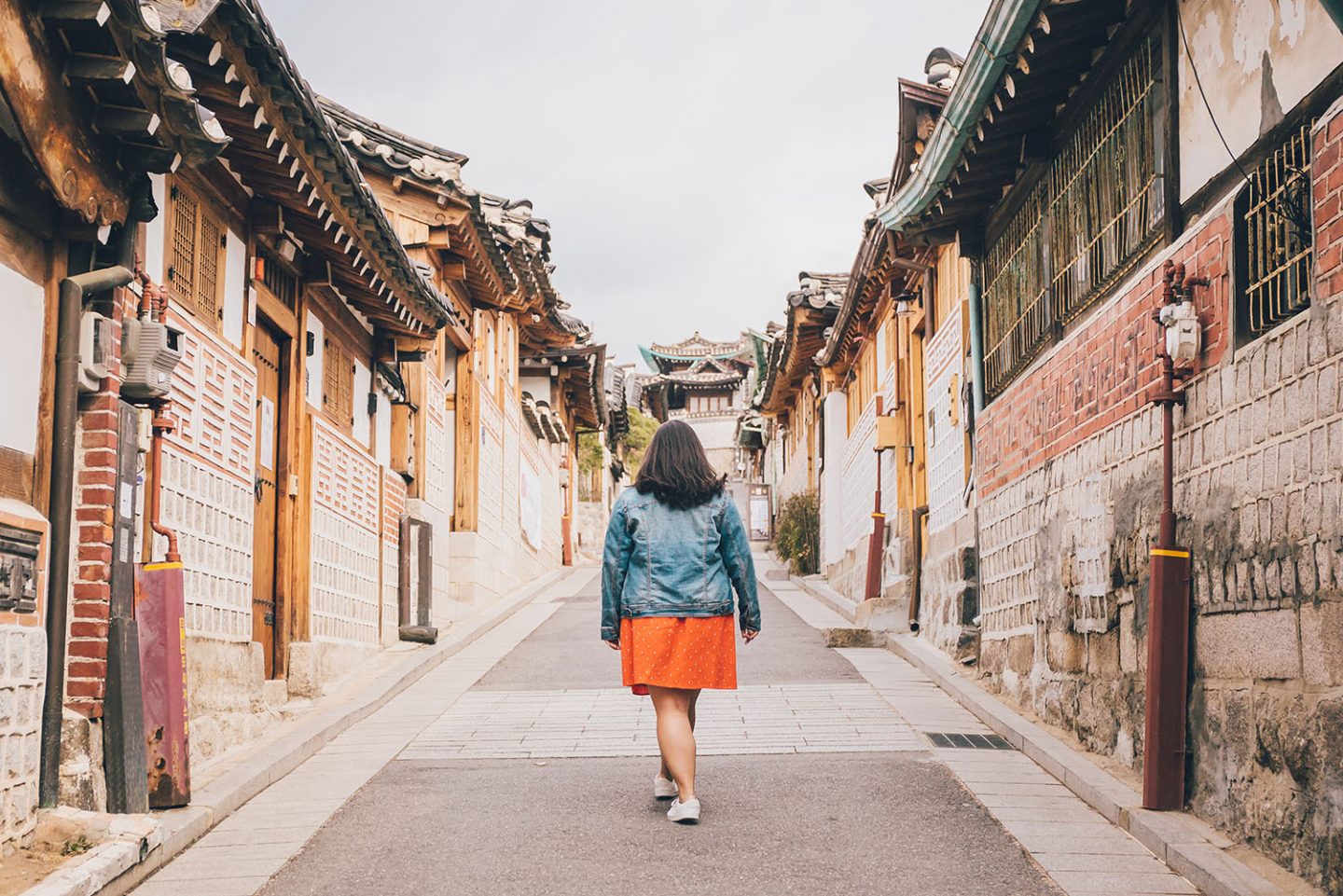
2. Walk around a hanok village


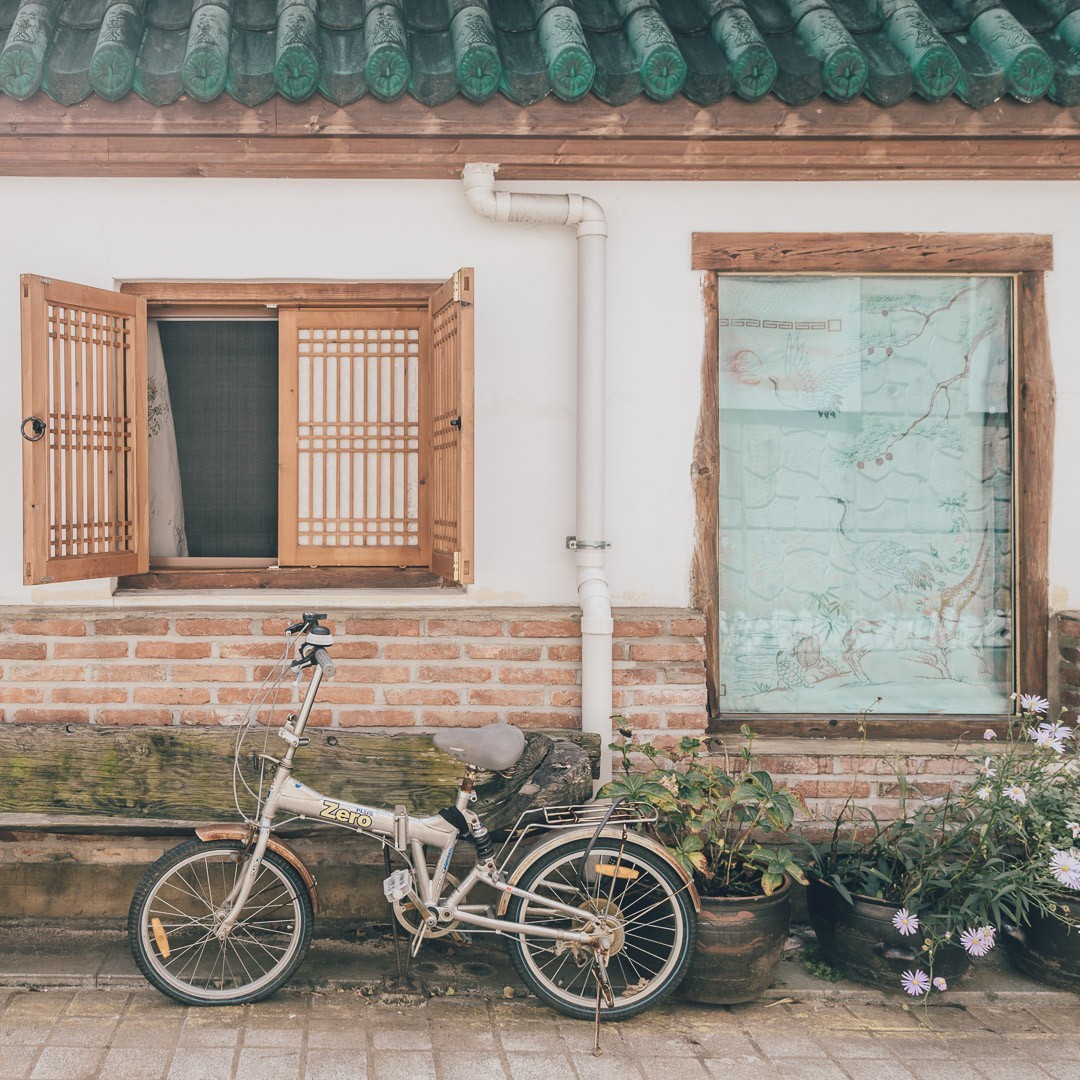
Explore Hanok Villages Hanok, traditional Korean houses, offer a fascinating glimpse into Korea’s architectural heritage. These villages are distinguished by their roof styles: giwa, featuring tiled roofs for the upper classes, and choga, with straw roofs for the common man.

The most well-known hanok village is Bukchon Hanok Village, located adjacent to Gyeongbokgung Palace. For a quieter experience in Seoul, consider visiting Namsangol Hanok Village near Namsan Tower.

Personally, I have a soft spot for Jeonju Hanok Village, which feels more intimate compared to Bukchon. Entry to these villages is typically free, but I recommend paying a bit extra for the observatory in Bukchon for stunning views.

Explore these hanok villages through curated tours:

  • Jeonju Hanok Village Day Trip
  • Day Tour Including Namsangol Hanok Village
  • Changdeokgung & Bukchon Hanok Village

3. Also visit the folk villages

When translated into English, hanok villages with tiled roofs are often referred to simply as “Hanok Villages,” whereas those featuring straw roofs are known as “Folk Villages.” Both types represent traditional Korean housing, with hanok villages showcasing residences of the upper class and folk villages reflecting the typical homes of commoners.

Don’t miss the opportunity to explore various folk villages across the country alongside hanok villages! One of my personal favorites is Naganeupseong Folk Village near Suncheon. Additionally, you can visit Seongeup Folk Village in Jeju, or the renowned Andong Hahoe Folk Village, which remains on my own must-visit list!

Embark on immersive tours to these Folk Villages:

  • Private Tour to Boseong & Naganeupseong
  • Andong Half Day Tour
  • Andong Hahoe Folk Village Private Tour
  • Discount Ticket for Seongeup
  • Eastern Jeju Private Tour (Includes Seongeup)

4. While you’re at it, stay over at a hanok!
 

One of the most quintessential experiences in Korea is spending a night in a hanok, where you can sleep on the floor in traditional style. There are numerous places across the country where you can enjoy this unique accommodation at affordable rates.

I personally stayed at a guesthouse in Jeonju and absolutely loved it. The room was clean and cozy, and the host, a sweet ahjumma (middle-aged woman), was very helpful in recommending local eateries and attractions!


5. Embrace the hanbok

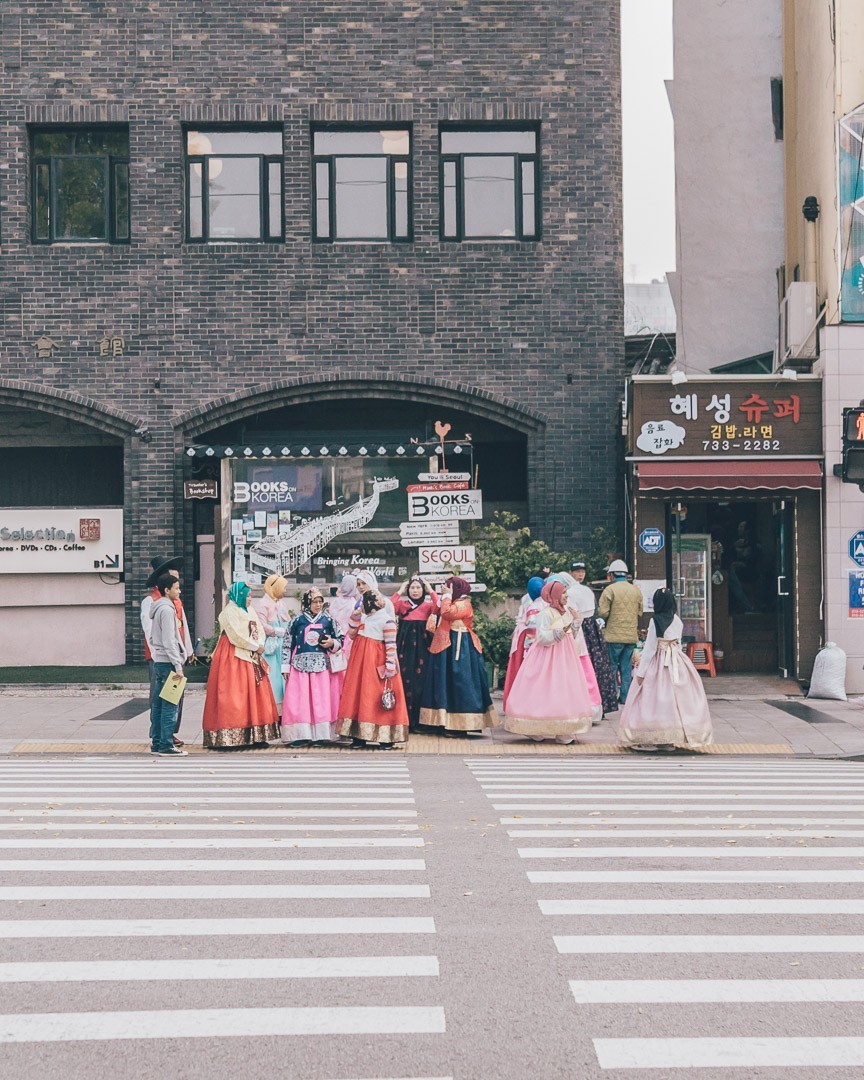
The hanbok is Korea’s traditional attire, and while I’ve only worn it once or twice during a competition where my kids dressed me up, it’s a popular choice for visitors looking to immerse themselves in Korean culture. You can easily rent hanboks and enjoy a photoshoot around the palaces, often gaining free admission!

Personally, I prefer the modern hanbok style, which offers a contemporary twist on traditional designs. If I were to purchase one, I’d likely opt for something like that. My friend Hallie recommended a great online store called Leesle for buying modern hanboks.

What’s appealing about modern hanboks is their versatility—you can go for a bold, modern look or choose a more subtle outfit with hanbok-inspired details that’s suitable for wearing outside of Korea.


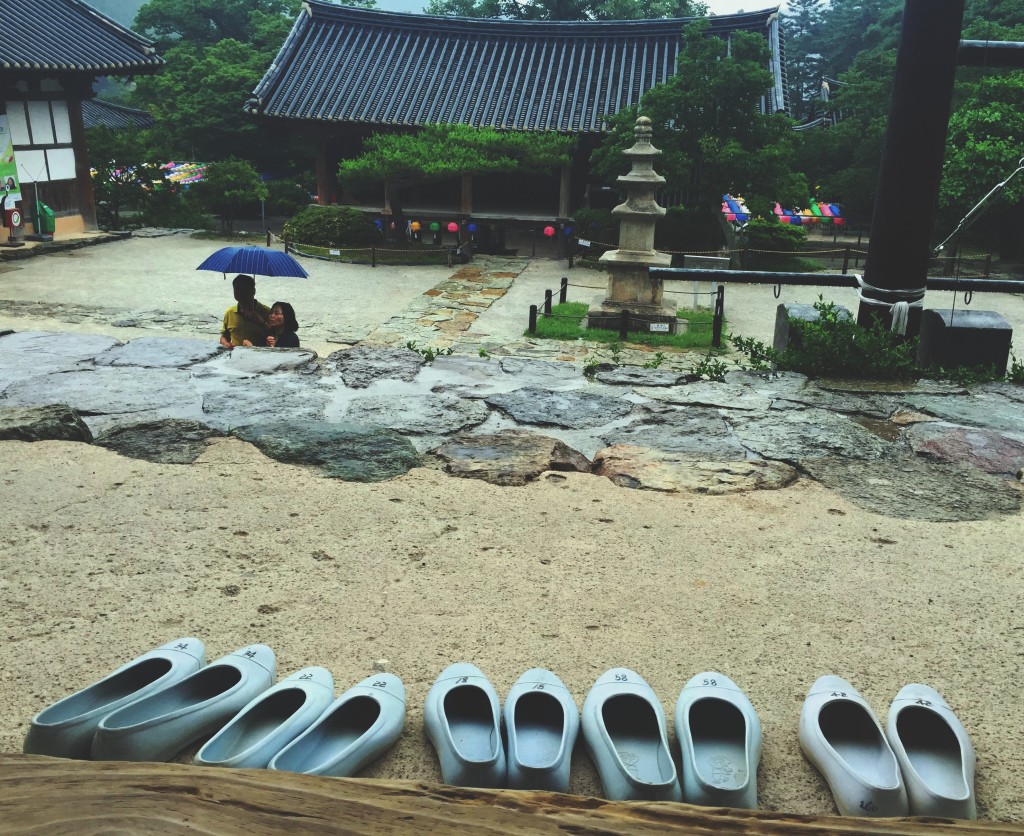
6. Do a temple stay


Another unique way to experience Korea is through a temple stay. I’ve personally tried it once, and I think once was enough for me—it was definitely more of an experience than a relaxing getaway! However, I still fondly remember those comfy monk pants.

The temple stay I did was deep in the southern countryside, so I imagine those in Seoul are more geared towards foreigners and tourists.

If you’re interested in a temple stay in or near Seoul, consider these options:

  • Geumsansa Temple Stay in Bukhansan
  • Hwagyesa Temple Stay also in Bukhansan
  • Jogyesa Temple Stay located right in Seoul near Gangnam

Temple stays offer a unique opportunity to immerse yourself in Korean culture and gain insight into the daily life of monks, even if it’s not the most relaxing experience!


7. And also visit all the unique temples out there

Additionally, explore the diverse range of temples available. While Korean temples can be found everywhere, many of them may not be particularly noteworthy. Temple fatigue is a genuine phenomenon where frequent visitors may find themselves feeling that each temple, though unique, begins to blend together.

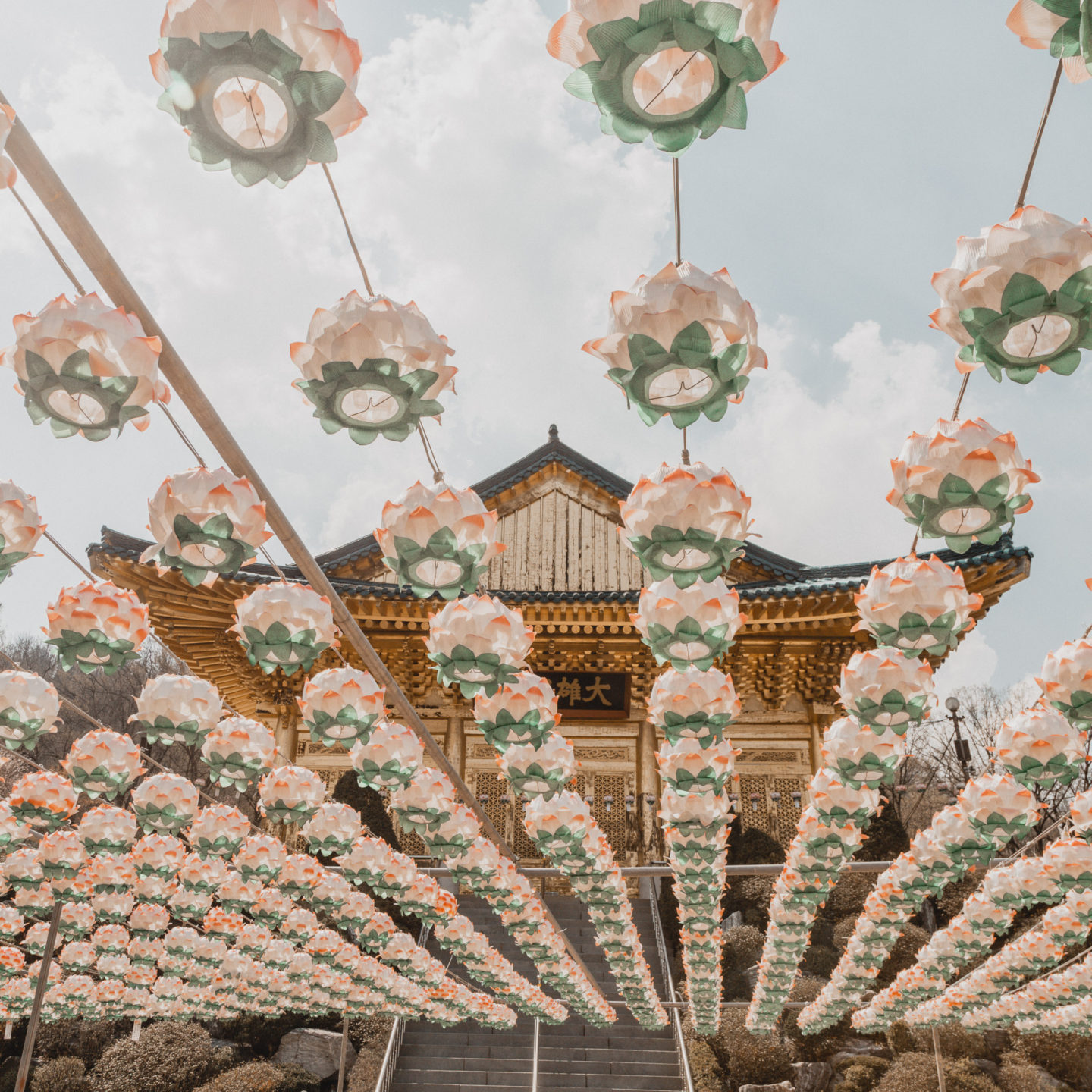
Nevertheless, there are exceptional temples that are truly worth a visit. I especially enjoy seaside temples such as Hyangiram in Yeosu, or those found in Busan and Namhae. Hallie even introduced me to a surprising gold temple in Seoul called Suguksa. Another notable spot is Jogyesa in Seoul, famous for its white lanterns during Buddha’s birthday celebration.

If you haven’t tired of visiting temples, I would also suggest exploring Seonamsa and Songwangsa near Suncheon, and consider hiking between the two temples over Jogyesan for a rewarding experience.

8. See a pansori performance

Experience a captivating pansori performance, a deeply traditional music form rooted in storytelling rather than mere entertainment. Pansori holds a prestigious place as one of Korea’s Living National Treasures, believed to have originated in Namwon or its vicinity.

Having lived in Namwon, I’ve had the privilege of attending numerous pansori performances. The city hosts concerts regularly, and during late spring, there are special performances for the Chunhyang Festival. Additionally, there’s a pansori museum in Namwon, although most of the exhibits are in Korean.

If you find yourself in Seoul, consider attending the Samcheonggak Lunch Concert, featuring a pansori performance every Wednesday. This is a wonderful opportunity to immerse yourself in the beauty of this ancient art form.


9. Play a traditional Korean game!

Tuho is typically played in hanok villages. This game involves attempting to throw arrows into a wooden jar, which is quite challenging!

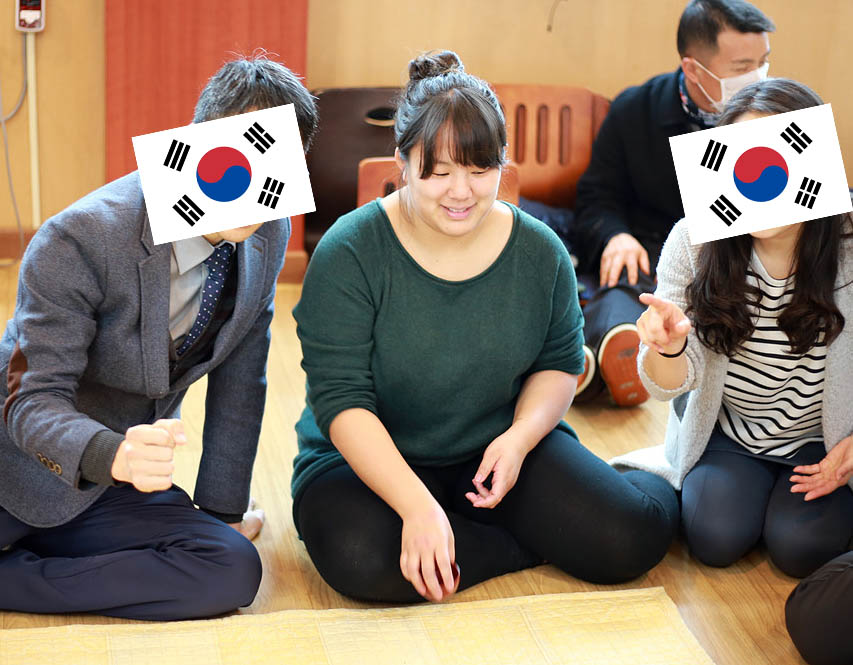
During Seollal (Korean Lunar New Year), I participated in yutnori with my church group. Yutnori is a game that utilizes dice and wooden sticks. My children also attempted to teach me gonggi, but unfortunately, I struggled with both games.


10. Get into Korea’s festival culture

I kid you not when I saw there’s a festival for everything. Of course, the seasonal festivals are the most famous, but every town has its own thing.

Jeonju has a bibimbap festival, Namwon has Chunhyang, Muju has a firefly festival… I mean, I know there’s one for chili peppers somewhere in Korea!

Your best bet is to just choose whatever city you want to visit and Google “City Name + Festival” and see what pops up!

11. Visit the DMZ
Discover the Demilitarized Zone (DMZ), a significant historical site that spans the 38th parallel, marking one of the most heavily fortified borders globally.

The DMZ is a poignant reminder of the division between North and South Korea. We offer various guided tours to this area, providing visitors with insightful and safe experiences without crossing into North Korea.

Embark on one of our exclusive DMZ tours, including:

  • DMZ and Third Tunnel Tour
  • JSA (Joint Security Area) + War Memorial of Korea Tour
  • Half-Day DMZ Tour
  • DMZ Shuttle Bus Tour

Each tour promises a unique perspective on this iconic border region, combining history, culture, and geopolitical significance. Join us for an unforgettable journey to the DMZ.

12. Check out the many, many museums around Korea
 

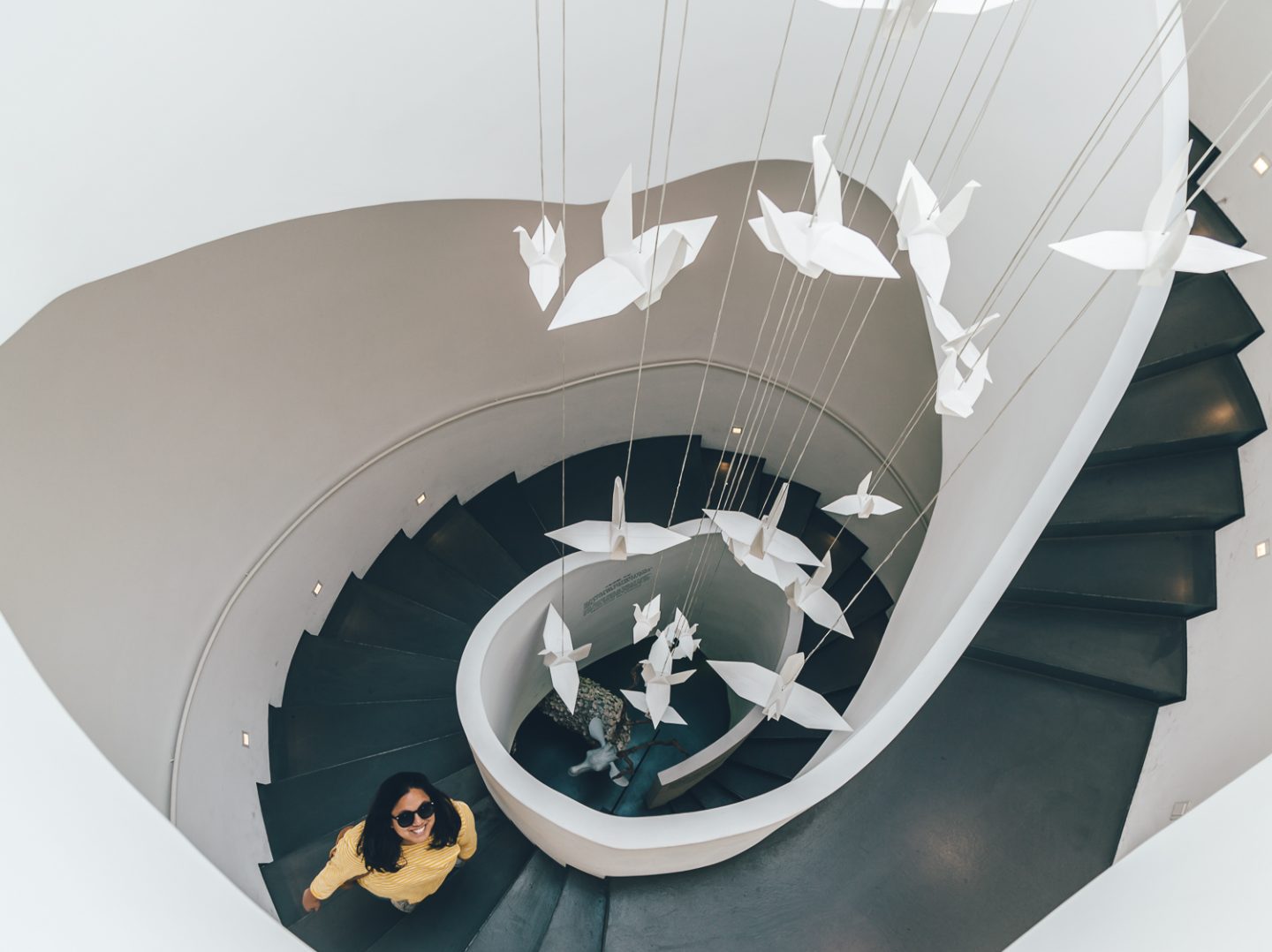
Explore a plethora of museums and art galleries in Korea! From classic institutions delving deep into the rich history and culture of the country to trendier venues offering Instagram-worthy exhibits.

Discover the likes of D Museum, known for its trendy and visually captivating displays that are perfect for social media. Additionally, Space Shinseon and the Queen exhibit at Ara Art Center offer unique and contemporary art experiences worth exploring.


AT-HOME/EVERYDAY ACTIVITIES IN KOREA

For those of you making Korea your home for the next year or longer, this section offers insights into daily life experiences that may not be solely tourist-oriented.

13. Get your food delivered (and struggle somehow)

Even after three years in Korea, I still find myself occasionally struggling with the Yogiyo app! However, Korea’s food delivery system is truly remarkable.

Long before Americans embraced UberEats, Grubhub, and Postmates, Korea perfected the art of food delivery. Need McDonald’s in the middle of a monsoon? No problem! Craving fried chicken in a remote spot near Banpo Bridge at night? They’ve got you covered!

One of the first tasks I recommend after settling into life in Korea is mastering the food delivery options.

In Namwon, I relied on phone calls for delivery, but in Suncheon, I discovered the Yogiyo app, which has become indispensable. While Hangul proficiency is necessary for navigation, once you get the hang of it, ordering becomes incredibly convenient. You can even have Baskin Robbins delivered! I’ve heard UberEats is making headway in certain areas of Seoul, and Coupang has introduced its own food delivery app, but my personal go-to remains Yogiyo.

14. Turn your bathroom into your shower

One of the unique experiences of living in Korea is encountering bathrooms where the shower is not separate from the rest of the space. If you’ve ever seen the clip from “90 Day Fiance: the Other Way” where Deavan encounters a Korean bathroom for the first time, you’ll understand the humor that resonated with expats everywhere!

One of the challenges is learning how quickly your toilet seat can dry. To manage this, many of us become morning shower people to ensure the toilet seat is dry throughout the day and avoid sitting on a wet seat in the middle of the night.

Whether you’re staying at a hotel or in your own place, most bathrooms in Korea lack a separate shower area. It’s something to adapt to, but honestly, it’s not as inconvenient as it may seem. In fact, it simplifies bathroom cleaning and maintenance significantly.

15. Sleep on the floor

Fun Fact: During my entire year in Suncheon, I slept on the floor! It wasn’t the most comfortable experience without a proper floor mattress, but it was part of the adventure.

While you’ll likely have a regular bed in most accommodations, be prepared for the possibility of sleeping on the floor at least once during your travels around Korea, especially if you’re staying in a traditional hanok. It’s all part of the unique experiences that Korea has to offer!

16. Use ondol heating

During this past winter, I found myself actually missing the comfort of floor heating! In Korean apartments, the floors are heated by hot water running underneath, warming the entire space.

While this heating system can be costly to run, there’s nothing quite like the cozy feeling of curling up under a thick blanket and resting on a warm spot on the floor. It’s a unique and comforting experience that adds to the charm of living in Korea.

17. Master the art of metal chopsticks

In Korea, you’ll find that most restaurants use metal utensils, including metal chopsticks. This tradition dates back to ancient times when metal utensils were used by royalty as a way to detect poison.

Metal chopsticks may feel a bit different from the wooden ones often used with sushi, but you’ll adapt to them quickly with practice. They add a unique cultural touch to dining experiences in Korea!

18. Ditch your boots for shoes you can slip off in 5 seconds

When I initially arrived in Korea, I brought along two pairs of riding boots—dark brown and black. Surprisingly, I only wore them once or twice before they ended up sitting idle in my shoe closet for an entire year! In fact, they likely would have remained there longer if I hadn’t brought them back with me when I returned home for vacation.

In many schools, you’re required to remove your shoes at the entrance and wear indoor slippers instead. Dealing with shoes that are difficult to remove can be quite frustrating. Personally, I’ve reached a point where if I can’t slip my shoes off in under a minute, I’m ready to move on from them.

19. Begin to live your life on the floor

Embrace the floor lifestyle! Despite having a bed, a regular table with a chair, and a proper couch, you’ll discover the allure of sinking down to the floor.

We sourced these wonderfully plush and cozy rugs from Gmarket for both of our apartments. They were so inviting that after a long day at work, we would often come home and sprawl out on them, especially during the winter with ondol heating. Even now, back home in the US, we find ourselves opting for the floor when it’s more convenient. The comfort and familiarity of floor living transcend borders!

20. Buy the inevitable plant or twenty

Korean apartments can sometimes feel a bit bland or even unattractive on their own. One simple way to liven them up is by adding cute and inexpensive plants!

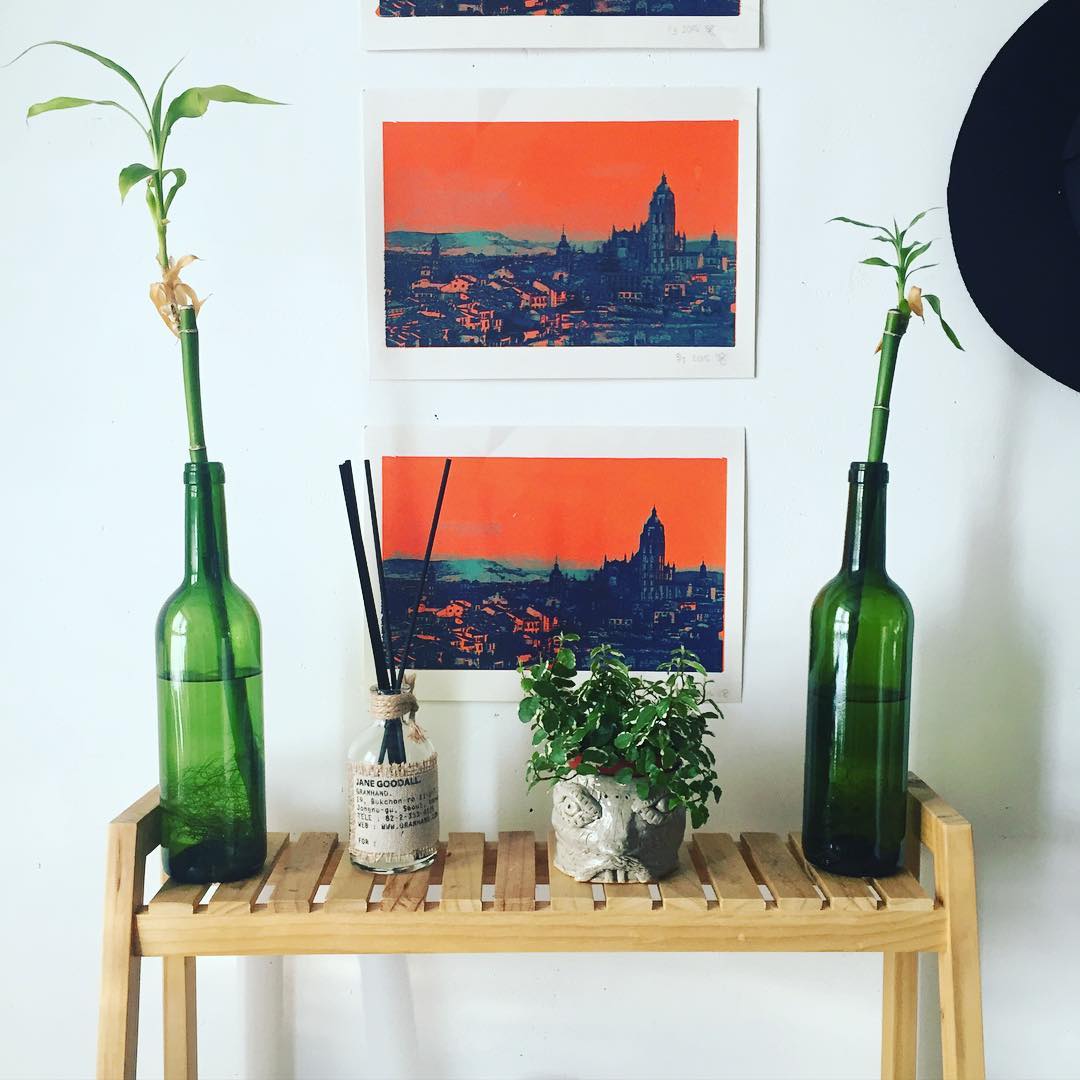
The easiest options include bamboo stalks in water, which require minimal maintenance—just refill the water when needed. Succulents are also a great choice and very low-maintenance. By the time we left Namwon, we had accumulated a whole collection of plants that we either gave away or brought to our schools.

There are plenty of plant shops scattered around, so you shouldn’t have any trouble finding some lovely greenery to bring life and color to your living space!

21. Befriend your local Korean pharmacy

Perhaps it’s just our perspective, or maybe it’s influenced by American culture, but we tend to avoid taking medicine unless absolutely necessary. Dealing with prescriptions and trips to the pharmacy can feel like a hassle, and we’ve never been big on taking medication unless it’s crucial.

However, in Korea, it’s incredibly convenient to stop by a pharmacy (약국) on your way home. They’re usually located conveniently, making it easy to get the medications you need.

Our first visit to a pharmacy was prompted by a persistent rash on our hand. After explaining the issue, we received pills and cream that resolved the problem within a week—all for around $10 or less.

We also assisted a friend in purchasing birth control for a year, which cost about $88 without needing a prescription. The accessibility and affordability of healthcare products in Korea are truly remarkable.

22. Get cheap glasses or contacts (or LASIK)

If you need quality eye care, Korea is one of the best places to find it. We’ve noticed that many Koreans have poor eyesight, so there are numerous glasses shops offering affordable options.

We can get wire frames for around $30 and Acuvue 1-month contacts for $30 to $50 per box. If you’re unsure about your prescription, you can usually get a free eye test.

For those considering LASIK, Korea stands out as one of the most affordable and reputable destinations for the procedure. Many of our friends have undergone LASIK or LASEK here, and it’s something we recommend exploring if you’re interested.

23. Explain to a taxi driver where you’re from

When you hop into a taxi in Korea, it’s pretty clear to the driver that you’re not Korean within the first minute. Whether it’s your appearance or your accent when you tell them your destination, they can tell.

It’s almost guaranteed that they’ll ask where you’re from and then follow up by asking why you’re in Korea and if you have a boyfriend. This seems to happen on every single ride—it’s like a standard set of questions they ask out of curiosity. It’s not meant to be creepy; it’s just part of the typical conversation with taxi drivers here.

24. Order something from G-Market or Coupang

Speaking of G-Market mentioned earlier, Korea’s own version of Amazon is truly magical. There’s an abundance of products available, accompanied by plenty of reference photos to help you make decisions!

Once we mastered ordering from G-Market, we used it to purchase everything we needed and even decorated our apartment with items from the platform. The delivery was often quick, typically arriving within just a day or two.

These days, there are even more options available, such as Coupang, offering a wider range of choices for online shopping in Korea!

25. Go out for noraebang

Noraebang, which translates to “song room,” is the Korean version of karaoke. It involves entering a small room equipped with a large TV, microphones, and often tambourines. You can order some soju, flip through the song book, and choose your favorite songs to sing along to with your friends!

26. Attend a Korean wedding (whether traditional or, um, “factory”)

We’ve only been to one wedding in Korea, and it was a “factory”-style wedding. Korean weddings, whether traditional or factory, are SO different from anything you’d expect in the US.

Attending a traditional Korean wedding is something we’d love to experience, but they’re not that common. Interestingly, the only people we know who have had a traditional wedding were mixed culture couples! Our friends attended a traditional wedding, and, of course, Hallie had her own traditional wedding, which she’s written about extensively.

In a factory-style wedding, you typically visit a giant wedding hall with different rooms. Each room hosts its own ceremony simultaneously, and it’s all very quick. Afterward, guests head up to the 2nd floor buffet area, where they mingle with guests from other weddings, enjoy a meal, maybe catch a glimpse of the bride and groom, and then depart! It’s truly a unique experience.

27. Learn about Korea’s holidays

There are quite a few holidays unique to Korea (and Asia), so it’s important to be familiar with them! This is especially relevant if you’re a teacher and get time off for these holidays:

  • New Year’s Day (January 1): Enjoy a sunrise hike.
  • Seollal/Lunar New Year’s Day (late January/early February, varies by year): Typically includes a 2 to 3 day break, eating tteokguk (traditional rice cake soup), and playing games like yutnori.
  • Independence Movement Day (March 1): Commemorates Korea’s declaration of independence from Japan in 1919.
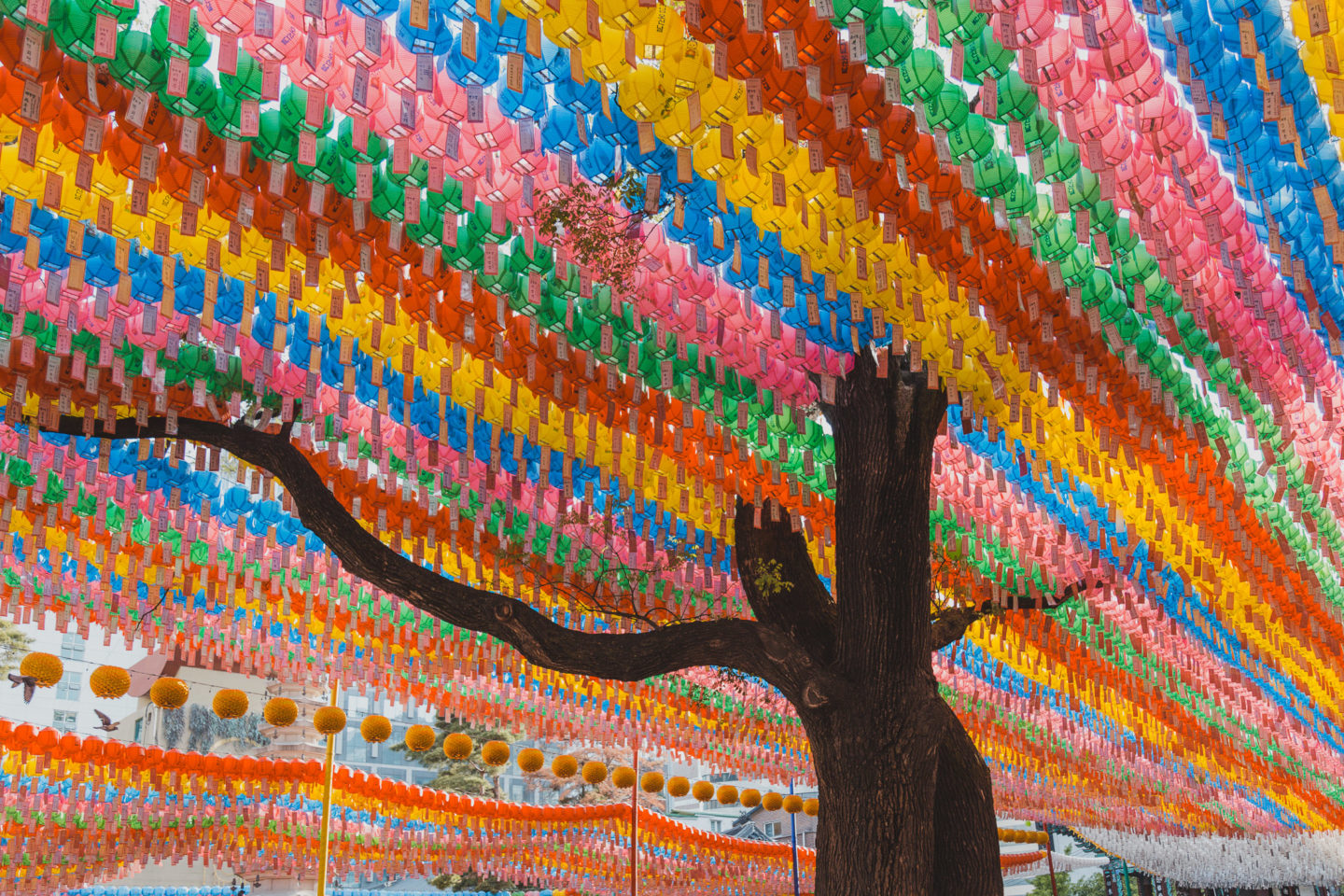
  • Buddha’s Birthday (varies, usually late April/mid May): Temples are decorated with lanterns during this time.
  • Children’s Day (May 5)
  • Memorial Day (June 6)
  • Liberation Day (August 15): Marks Japan’s surrender after WWII.
  • Chuseok (varies, usually late September/early October): Often referred to as Korean Thanksgiving, it’s one of the major holidays along with Seollal.
  • National Foundation Day (October 3): Celebrates the founding of Korea by Dangun.
  • Hangul Day (October 9): Celebrates the creation of Korea’s alphabet, Hangul.
  • Christmas (December 25): Different from Western celebrations, often considered a couples’ holiday.
  • Additionally, there are fun holidays like Pepero Day on November 11!

28. Learn about Yi Sun Shin and King Sejong

By the time you leave Korea, there are two names you’ll definitely know: Yi Sun Shin, a renowned Korean war hero, and King Sejong, credited with creating Hangul.

Both of these figures have imposing statues in Gwanghwamun and are among the most revered in Korean history. If you’re a high school teacher and give your students a prompt asking, “Who do you admire most?” you can expect that 9 out of 10 students will choose either Yi Sun Shin or King Sejong as their subject.

29. Find your favorite foreign restaurants in Itaewon

In Korea, you’ll find a plethora of restaurants catering to almost every culture or dietary preference imaginable—it’s like a global culinary paradise! Some standout favorites include Braai Republic for South African cuisine, Coreanos for a unique Korean/Mexican fusion, and PLANT for delicious vegetarian and vegan options. The variety of dining choices here truly reflects the diverse and inclusive nature of Seoul’s food scene.

TRAVEL-Y THINGS TO DO IN KOREA


30. Stay in a love motel

Stay in a love motel while in Korea, but exercise caution in case of hidden cameras. Love motels are plentiful throughout Korea and are primarily used for romantic encounters.

Despite their reputation, many love motels offer a decent mid-range accommodation option. Some are quite nice, with amenities like waterfall shower heads. Just be sure to research and read recent reviews to ensure a comfortable and safe stay.


31. See Korea’s tea fields

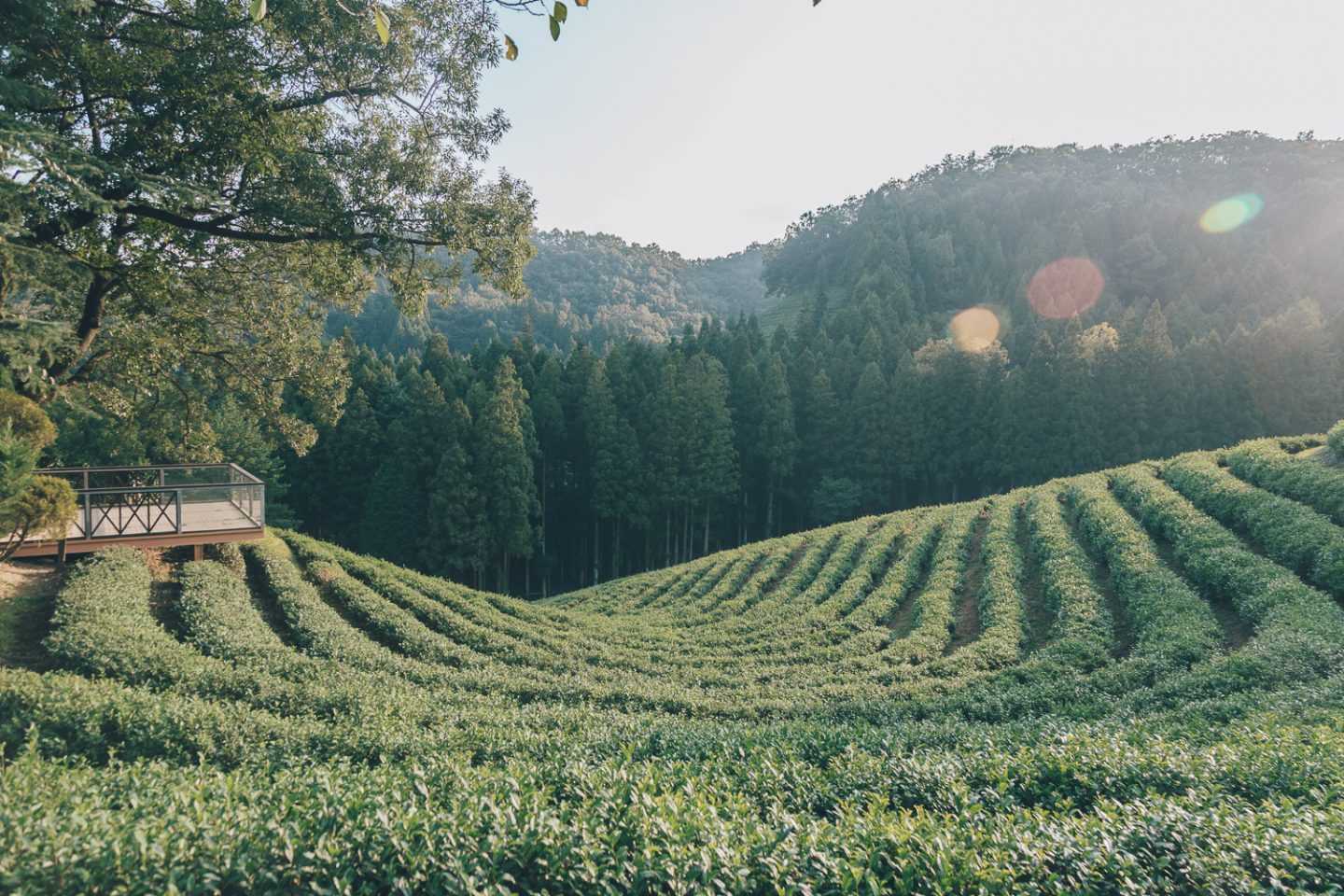
In Korea, there are three major tea fields: Hadong, Boseong, and Jeju’s fields. Korean green tea is renowned for its delicious flavor, and you can experience it at all three locations! Among them, Boseong is our favorite. Don’t miss out on trying the green tea ice cream when you visit—it’s a must!

32. Take a relaxing vacation to Jeju

Jeju is one of our favorite places, not just in Korea but anywhere in the world! Often referred to as the “Hawaii” of Korea, Jeju is simply enchanting. If we were ever to consider moving back to Korea, it would be to make Jeju our home.

Despite appearances on maps, Jeju is larger than it seems. It takes about 2 hours to drive from east to west and approximately 4 hours to circle the entire island. So, things may not be as close as they appear.

To help you plan your trip, here are our guides:

  • Quick Guide to Jeju
  • Where to Stay in Jeju
  • Top Things to Do in Jeju

These resources will ensure you make the most of your visit to this beautiful island!

33. Visit Korea’s bamboo forests

Korea boasts its own bamboo forests, with the most famous one located in Damyang. I’ve visited countless times to wander around its serene beauty. Regardless of the season or day, it never feels overly crowded. If you’re in Busan, you can also make a quick trip to Ulsan to explore the Taehwagang River Bamboo Forest!

34. Check out Korea’s colorful villages

Korea is filled with vibrant corners featuring beautiful murals and street art. In Seoul, you can explore the Ihwa Mural Village, and in Busan, my absolute favorite spot is the Gamcheon Culture Village.

35. Go hiking! Especially on New Years at sunrise.

We haven’t gone for a sunrise hike in Korea ourselves. The experience of hiking Mt. Batur in Bali was quite memorable and satisfying for us.

However, we thoroughly enjoy hiking in Korea. The terrain is mostly mountainous, offering plenty of options for hikers of all skill levels. Here are some hikes we’ve written about:

  • Guryong Waterfall Hike
  • Hiking Daedunsan in the Fog
  • Hiking Wolchulsan to Cross the Cloud Bridge
  • Seoraksan, One of Korea’s Tallest Mountains
  • Jirisan’s Baemsagol Valley Course

These hikes showcase the diversity and beauty of Korea’s landscapes, making them great choices for outdoor enthusiasts!


36. Check out Korea’s many islands

In the future, we’d like to visit Ulleung-do and Dok-do in the East Sea. Both islands were a bit challenging to reach from where we lived, so we never seriously considered going.

Dok-do holds significance in Korea’s current issues with Japan, and Ulleung-do is known for its stunning beauty—a fact that our friends confirmed after vacationing there last year.

There are numerous islands scattered around Korea’s peninsula waiting to be explored. Your best approach is to head to port cities like Busan, Tongyeong, and Yeosu, and then look into ferries to reach their smaller islands.

If you find yourself in Jeju, a visit to Udo is highly recommended—it’s a delightful little island worth exploring!


37. Check out Korea’s beaches 

With Korea’s abundance of islands due to its peninsula status, it’s no surprise that there are plenty of fantastic beaches to explore, ranging from popular to remote destinations.

There’s something truly enjoyable about a beach picnic in the summer, complete with samgyupsal and cider. We particularly enjoy the beaches around Yeosu, and, of course, spending a relaxing day at Gwangalli or Haeundae, provided you can avoid the crowds, is always a treat.

BEAUTY THINGS TO DO IN KOREA

38. Relax with a sheet mask

Before gold sheet masks gained popularity in the US, they were a staple in Korea’s beauty routine. The first time we tried them, we were impressed by how effective they were.

Nowadays, we always pack one or two when we travel. They are incredibly refreshing and moisturizing. Remember not to wash off the serum after using the mask—simply massage it into your skin for maximum benefits!


39. Have a girls’ sesh at the jimjilbang

There’s nothing quite like relaxing in different tubs, applying a sheet mask, and then enjoying sauna rooms while catching up with friends. And of course, true friendship is having a pal who’s willing to scrub your back with an Italy cloth.

Our favorite spot is Siloam Sauna near Seoul Station. While some foreigners might recommend the one in Itaewon, our experience there wasn’t very welcoming. Any sauna will suffice wherever you’re living. In Suncheon, we used to go to the one near our apartment, and in Yeosu, we frequented the ones near our friends’ places.


40. And while you’re there, get a scrub down

If you prefer not to have a friend perform the scrub down, consider paying a little extra for an ahjumma at Siloam to thoroughly exfoliate your skin and provide a rejuvenating experience. During a recent trip, I took advantage of some free time to indulge in a scrub down session, leaving me feeling refreshed and clean afterwards!

41. Go for a facial

We love getting facials in Korea! They’re actually everywhere in unassuming places, so we recommend checking out places with 피부 in the name to see reviews or make appointments. Facials typically last about an hour, and the most we’ve paid is 40,000 KRW.”

42. Get a digital perm!

Okay, maybe not everyone, and it’s important to ensure your hair is healthy enough… but we really enjoy digital perms. We make it a point to get one at least once a year, although it’s recommended to have them done every six months.

We have naturally straight hair that isn’t as glossy as typical Asian hair. However, we personally prefer having more texture in our hair, and during our teenage years, we were obsessed with achieving Victoria’s Secret-esque curls. A digital perm essentially accomplishes this! It still requires effort, but it’s much quicker than styling our hair normally

43. Buy all the stuff you need for your 10-step skincare routine


Remember when that was trending everywhere and everyone thought Korean women were these crazy geniuses who unlocked the ridiculous secret to everlasting youth?

Let us tell you, the 10-steps are a little misleading. You don’t do them every day! However, we will say, our skincare routine has expanded since our first move to Korea. We love double cleansing, and we prefer using a toner before applying face lotion.

What you’ll want:

  • Micellar water for makeup removal
  • Cleansing oil
  • Foam or normal cleanser
  • Toner
  • Essence
  • Ampoule
  • Emulsion
  • Face cream
  • Face sunscreen
  • Night cream or sleeping mask
  • Eye cream
  • Exfoliating scrub

We’re telling you right now, we have about half of these items that we use regularly. You don’t need it all, but we recommend doing some reading on Korean skincare to figure out what you want to try. We highly recommend the Soko Glam book!

44. Get a dainty watercolor tattoo

We want to say they originated in Korea and Japan, but don’t quote us on that.

All we know is that we’ve been following some Korea-based watercolor tattooists on Instagram, and we got ours done by @tatooist_ilwol in Hongdae. Ours is a cherry blossom flower behind our left ear, and we may look into getting a fall foliage one behind our right ear.

FUN THINGS TO DO IN KOREA (KPOP, TRENDY, & QUIRKY)

45. Go cafe hopping

Korea has got to hold some sort of world record for the most cafes per square inch. There’s a cafe everywhere — franchises and plenty of locally-owned ones.

We wrote a whole post about some trendy cafes in Seoul, and that’s definitely only skimming the surface. Hang out with cats, drink your face, find some real gems… The list goes on not just in Seoul but the whole country. On our most recent trip, we visited a yarn-themed cafe! Yarn!

Some other cafes we’ve written about include the Dreamy Camera cafe outside of Seoul and the giant teapot cafe down in Jeolla.

46. Visit a cat cafe

Speaking of cats, you really should try visiting a cat cafe in Korea! In Asia, in general, there are some great ones.

If you’re ever in Suncheon, you should visit the one that’s near our old apartment! They’re all rescue kitties, and the owner is so sweet.

47. See your fav K-pop act at a music show or concert

Listen, we’re still waiting for the stars to align so that we can see Kyuhyun sing live. It feels like we keep missing him, and there’s the fact that he was in the army for two years… sobs.

Anyway, if you’re a K-pop fan, you’re going to LOVE the shows. We still remember going to Inkigayo as students, and we’re pretty sure we attended a rehearsal, not the real show. Those were the days when Hyuna was known for “Bubble Pop” and missA and 2pm were still a thing…

48. Secret tip: Go to a musical if your fav singer is starring in one


Okay, so getting into the shows and concerts can be kind of ridiculous! Sometimes, you can buy tickets ahead for festivals, but it’s not always easy.

One big tip though? If your favorite singer is in a musical — get tickets! You’d be surprised at how unlikely K-pop fans are to buy musical tickets. We saw Seohyun perform as Scarlett O’Hara in Gone with the Wind, and it was freaking awesome.

49. Embrace the full on cheese and go somewhere your fav singer owns

Did we stay at Myeongdong MOM Guesthouse because Kyuhyun’s mother owns it? You betcha.

And it was as cheesy and full of Kyuhyun images as our fangirl hearts could have dreamed of. If you’re a big fan of a K-pop star, why not stay in a business they or their family owns?


50. Visit the different filming locations from your favorite K-drama

Nami Island… Petite France… Ihwa Mural Village… We’re sure if you Google “X-Drama Filming Locations,” you’ll find a list. Bonus if you can figure out how to use Naver’s blogs and decipher the blog posts!

Here’s a more recent tip: the Netflix drama “My First First Love” was filmed all around Yeonnam-dong in Hongdae. We immediately recognized a lot of the spots they shot, like the park, the cafes, etc.

51. Go to Seoul Fashion Week!

Korean fashion is a whole different world compared to the likes of Paris, Milan, or New York City. It takes place around October and March at the Dongdaemun Design Plaza.

We don’t even need tickets to a show — just go and hang out to see all the cool street fashion. This is on our to-do list!

52. See more on Korea’s love of poo

Poop is kind of… cute in Korea? We don’t know, man, we don’t know. But there’s a fun poop cafe in Seoul’s Insadong, and then there’s a whole toilet museum in nearby Suwon!

53. Enjoy Korea’s love of books

One thing we noticed living in Korea is that they definitely invest more in their public libraries than what we’ve seen in the US. Even our small city of Suncheon had multiple libraries and community centers, and they were incredibly up to date and just nice.

Let’s embrace Korea’s love of books, especially at many of the cute libraries and bookstores in Seoul.

54. Pick a team — Kakao vs Line friends


Kakao and Line are two messenger apps in Korea. Kakao came first and is much more widely used. Like everyone we know has KakaoTalk, and that’s how we contact our Korean friends. Line is Naver’s attempt at getting in on the market, and part of that was coming up with their own cartoon mascots.

We’re Team Kakao mostly because they came first, and we don’t use Line… ever. Also, our friend Maggie and we used to converse on Kakao Talk pretty much just using Kakao Friends emojis. Peach is our favorite!

55. Go Shopping — like really shop.


Koreans are one of the only people we can think of who get excited about Duty Free shopping. They take their shopping seriously, and you can see it everywhere from the beauty stores to the many, many clothing stores.

One issue, of course, is that Korean sizing is notoriously quite small. We hardly ever fit into most of the clothes, even at our tiniest when we studied in Seoul at 18. However, you might as well poke around and see what you find.

The big hitters are in Myeongdong and Dongdaemun, and for really fun shopping, go to Ehwa or Gangnam Station. Down south, Gwangju’s main downtown is quite similar to Myeongdong, and, of course, Busan’s Nampo-dong is full of random shops and alleys.

For those of you hoping to be a little more sustainable, Seoul also has quite a lot of secondhand shops! Check for VinPrime locations and, of course, look up 빈티지 or 고풍스러운 on KakaoMap.


56. Visit a Korean theme park

Why not visit Everland or Lotte World? They’re super fun and cutesy, especially if you’re traveling with kids. We can also find lots of smaller theme parks around the country. For example, Namwon has a Chunhyang Theme Park!

57. See the random murals or street art.

One of the things we love about Korea is how we can walk somewhere randomly and stumble across some sort of cute mural. Even in the most countryside of countryside places, we’ve seen mini murals lining the walls.

There are whole villages with beautiful murals, like Ihwa or Gamcheon. Recently, Powwow Korea had a huge street art festival around Seongsu Station, and we’re hoping to see them all next year. Our friend Hallie also introduced us to Royyaldog’s incredible murals. We’ve only seen two so far, but he has quite a few in Seoul. Follow his IG to see where else he has them.

SEASONAL THINGS TO DO IN KOREA


58. See the cherry blossoms


Ah, one of our favorite times of the year — cherry blossom season in Korea! There are the light pink Yoshino cherry blossoms that start in late March and go through early April, and then there’s the King Jeju cherry blossoms that come right after.

After a dreary winter and colder temps, the blooms of spring in Korea are a sight for sore eyes!

Check out these posts for more on cherry blossom season:

  • How to Visit the Hwagae Cherry Blossom Festival
  • The Famous Jinhae Cherry Blossom Festival


59. Hike for the azaleas

Or don’t because we still haven’t… cough. There are two kinds of azaleas in Korea, but they both get translated the same — the azaleas you can see above at Wonmisan and the ones in Namwon that you hike for.


60. Chase the canola fields

This is exactly what we did when we rented a car on our most recent trip to Jeju! The canola fields are so beautiful, and it’s so nice to see them all in bloom.

They tend to bloom a bit before the cherry blossoms, but they last for quite a while.


61. Also don’t miss the sansuyu, plum blossoms, rhododendron, or roses

There are truly SO many flowers not to miss in Korea! The sansuyu and the plum blossoms arrive first, and it’s still quite cold out when they bloom. The rhododendrons appear around the time the cherry blossoms pop out, followed by the roses and tulips in May. If you’re near Goseong or Gwangyang in June, you can also go see some lavender fields!

For more flower festivals, consider checking out:

  • Gokseong Rose Festival
  • The Gwangyang Maehwa Festival
  • Visiting the Gurye Sansuyu Festival


62. Enjoy the fall foliage

Easily one of our favorite times of the year, autumn in Korea! It’s just magical, even more than the cherry blossom season, we’d argue. The leaves turn vibrant shades of red, yellow, and orange… Korea feels so alive as everyone enjoys the increasingly crisp air, munching away on apples or persimmons…

We only had like three autumns in Korea, and we get a little nostalgic thinking about them!

Check out our fall foliage guides here:

  • Best Places to See Fall Foliage in Korea
  • Naejangsan National Park: Finding Fall Colors
  • Jirisan’s Baemsagol Valley Course

63. Go skiing in Gangwon-do

For the best winter skiing experiences, explore the slopes in Gangwon-do up north. This region hosted the 2018 Olympics, but there are other fantastic areas outside of Pyeongchang worth exploring. You can find them all in my winter in Korea guide.

FOODIE KOREAN BUCKET LIST

64. Make (and eat) kimchi

If you didn’t at least try kimchi while you were in Korea, did you really visit the right country? Kimchi is THE main staple of Korean food. It’s so essential that my friend Autumn and I joked in Morocco that olives were the kimchi of Moroccan cuisine! There’s even a museum dedicated to kimchi that you can visit by booking tickets!

Kimchi has a strong taste, so it may not be for everyone! My favorite type of kimchi is kimjang kimchi, which is freshly made at the end of fall or beginning of winter. If you can, try making some yourself! I’ve only made it once with my friend’s co-teacher, but if you don’t know anyone local, you can always join these kimchi-making experiences:

  • Tea Ceremony & Kimchi Making
  • Seoul Kimchi & Culture Experience
  • Myeongdong Kimchi & Tteokbbokki Cooking Class

65. Sample all the delicious street food

Don’t miss out on stopping at the various food stands to try some delicious treats! The street food scene in Korea is endless. If you stay at a hotel in Myeongdong, you’ll have easy access to a plethora of different stands all in one place.

One of my favorite activities in Busan was visiting Nampo-dong and indulging in pajeon, ddeokbokki, and mandu in the bustling marketplace! Street food just tastes better with people bustling around you!

You’ll find street food stalls everywhere, especially at festivals. So put on your “eatin’ pants” and get ready to feast!

66. Try Korea’s alcoholic drinks: soju and makgeolli

Korea has its own unique alcoholic beverages, in addition to some questionable beer. What you want to try are soju and makgeolli!

Soju is… well, it’s something. I’d recommend trying the flavored varieties because they taste better. You drink it from a shot glass, and it can sneak up on you if you’re not careful! Makgeolli is a milky white rice wine that you drink from bowls.

67. Eat pajeon & drink makgeolli after a hike.

We’re not sure why this is a thing, but it is. It’s very common during or after a hike (or even before) to sit down and enjoy a nice kettle of makgeolli with some delicious jeon. There are usually makgeolli huts around hiking trails where we can enjoy this.

Although we don’t drink alcohol, we absolutely adore jeon. We could easily devour a whole one by ourselves, but we try to resist! Jeon is basically various vegetables or ingredients fried together with a flour batter. Common variations of jeon include pajeon (spring onions), kimchijeon (kimchi), and haemuljeon (seafood).

68. Order some chimaek!

Koreans love to abbreviate, and chimaek is one of those abbreviations. The name comes from chicken and maekju (beer), so we have chimaek! Fun fact: while regular chicken is called dak (닭) in Korean, the famous fried chicken is simply referred to as chicken (치킨). So if our Korean friend asks if we want chicken, they probably mean the latter!

Personally, we don’t drink beer, and even if we did, we’ve never heard anything good about Cass or Hite, so we’d opt for some Chilsung cider instead! It’s like a blend of Sprite and Ginger Ale but better.

Of course, the best thing to do is to call or use Yogiyo to order some chimaek to wherever we are (seriously, we can drop a pin and the delivery guy will find us). We personally love Kyochon honey original, and we indulge in it at least twice whenever we return… often by ourselves, lol.


69. Enjoy Korea’s tea culture

We know cafe culture is strong in Korea, but tea culture has been around much longer. See if any of the temples we’re visiting have some sort of tea ceremony. We know Seonamsa in Suncheon does. You can also book one ahead, like this one in Seoul.

70. Eat songpyeon for Chuseok & ddeokguk for Seollal

So, as we mentioned above, Chuseok and Seollnal are Korea’s most important holidays. Both of these foods are kind of the thing to eat for each day (there’s a lot more, but we’ve never been to a celebration, so we don’t know all the details that well).

Songpyeon (송편) is a sort of half-moon rice cake that comes in white, pink, or green and has some nice, sweet fillings. They’re SO good, and we don’t even like normal rice cakes that much. Songpyeon has been around since the Goryeo period, which began in 918!

Ddeokguk (떡국) is rice cake soup and so nice to eat in the winter. We remember making a botched version of it our first year when the church near our house gave us all huge bags of thinly sliced rice cake! Apparently, it’s believed that eating ddeokguk during Seollnal will bring good luck.

71. Get into Korea’s vinegar drinks

Yummm, we love Korea’s vinegar drinks. We know that sounds gross, but they really are so good. You basically buy the concentrate and mix it with water. We became very fond of the pomegranate ones! They’re supposed to aid with digestion and whatnot.

72. Go with your friends for some Korean BBQ

Samgyupsal and soju or Chilsung cider, if we’re talking about us. Nothing beats freshly grilled meat in a little lettuce wrap with some garlic and ssamjang sauce!

73. Try the black pork in Jeju

There are other foods to try in Jeju, but black pork is quite unique. We like going to one of the restaurants near Seongeup Folk Village for it. There’s also a random hamburger place somewhere in Seogwipo if we want to try it in a different form.

74. Convenience store kimbap

On the go? We get a kimbap from the convenience store! They’re so good and so easy to grab. Sometimes it’s what we plan to eat for breakfast when we’re traveling around Korea!

Kimbap is basically a bigger version of sushi — it’s rice, veggies, and meat wrapped in dried sheets of seaweed (kim).

75. Also try the convenience store snacks and drinks

Really any of them! There’s so much to choose from, including banana milk, random snack bags, and, our favorite, the ice cream bars.

76. And try all the different ice creams!

Green tea ice cream. Maesil ice cream. Bamboo ice cream. Cherry blossom ice cream… We swear we’ve tried so many all around the country!

77. Cool off with bingsu.

Bingsu is essentially shaved ice. The most popular version is patbingsu, which is mainly made with red beans (pat) and condensed milk.

However, we’re not fans, so we prefer the fancy versions Sulbing has like the cheesecake bingsu or blueberry bingsu (seen above).


78. Share some honey bread!

Ahhh honey bread. Nothing beats a nice warm latte and honey bread at a cafe in the winter!

We’re ashamed to say that we can probably eat one all by ourselves, but we usually try to get someone to split it with us so we don’t pig out on pure sugar and carbs.


79. Try Korea’s version of Chinese food

You know how the US has Chinese food that an actual Chinese person would say, “Nope, this ain’t it, chief.” Korea has its own Chinese food too!

Our favorite is jajangmyeon and tangsuyuk. We also like jjambbong, but only at certain places. It can be very spicy, so it’s easy for restaurants to cheap out and make it watery.

80. Really just immerse yourself in Korea’s foodie culture

Honestly, Korean food is such a fun part of the culture, and there are SO many dishes and foods to enjoy. We recommend trying a cooking class or just enjoying trying all the different cuisines around the country. We have a lot of recommendations in our Korean food guide, so check that out if you want even more foodie tips