

In recent years, South Korea has become a favorite travel destination for Indian tourists. The country beautifully blends ancient traditions with a modern lifestyle. You will find majestic palaces, cultural villages, bustling K-pop streets, serene temples, and futuristic architecture.
South Korea is a land of contrasts. On one side, you can explore centuries-old palaces and temples. On the other, you can enjoy modern skyscrapers, shopping hubs, and K-pop concerts. This balance makes it a unique destination for every traveler.
Whether you are fascinated by history, technology, spirituality, or modern culture, South Korea has something for you. The country is easy to explore, safe, and well-connected by transport. Moreover, it offers diverse food options that are also popular among Indian travelers.
This guide highlights the Top 10 Must-Visit Places in South Korea for Indians – Complete Travel Guide 2025. It is perfect for first-time visitors as well as those planning week-long adventures. From the vibrant streets of Seoul to the natural wonders of Jeju Island, these destinations promise unforgettable experiences.
For handpicked Indian-friendly travel packages and guided tours, visit dynastay
https://www.dynastykorea.com/category/blog/
—a reliable ally to discover Korea.
1. Seoul – The Beating Heart of Korea
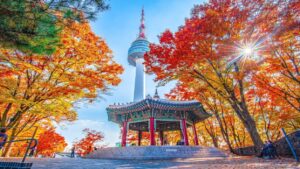
South Korea’s vibrant capital, Seoul, is a city where cutting-edge innovation and age-old customs coexist. Seoul provides an ideal fusion of history and cutting-edge culture, from the imposing Gyeongbokgung Palace and serene Bukchon Hanok Village to futuristic landmarks like the Dongdaemun Design Plaza and the busy streets of Gangnam. Korean street food treats like tteokbokki, gimbap, and hotteok are must-trys in the city’s bustling markets, including Gwangjang and Namdaemun. While nature lovers can relax in the picturesque Han River parks or trek Namsan Mountain for expansive city views, shoppers will love Myeongdong’s countless fashion boutiques. Seoul is the beating heart of Korea and a must-see destination because of its unwavering energy, which is evident day or night.South Korea blends ancient traditions with modern lifestyle. Moreover, it offers vibrant K-pop culture and futuristic cities.
-
Gyeongbokgung Palace
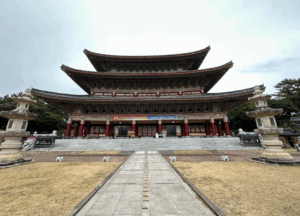
The largest and most recognizable of Seoul’s Five Grand Palaces, Gyeongbokgung Palace was constructed in 1395 and represents the Joseon Dynasty’s history and legacy. The magnificent Gwanghwamun Gate greets guests and leads to expansive courtyards, elaborate pavilions, and the magnificent Gyeonghoeru Pavilion, which gleams exquisitely over a lotus pond. Seeing the changing of the guard ceremony, a vibrant recreation of royal customs performed every day at the main gate, is a highlight of any trip. The National Palace Museum and the National Folk Museum, located on the palace grounds, provide more in-depth knowledge of Korea’s past. Gyeongbokgung is a must-see landmark that embodies the real spirit of Seoul, whether you choose to explore it in traditional hanbok or just take in the magnificence of its architecture.
-
Bukchon Hanok Village
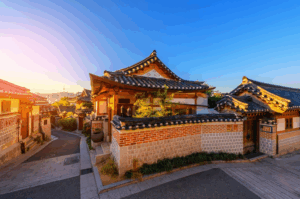
One of Seoul’s most quaint neighborhoods, Bukchon Hanok Village is tucked away between Gyeongbokgung Palace and Changdeokgung Palace. It gives tourists a taste of traditional Korea right in the middle of the contemporary metropolis. There are hundreds of hanok (traditional Korean homes) in the village, many of which have been converted into tea houses, guesthouses, cultural centers, and artisan workshops. With its picture-perfect atmosphere created by stone walls, wooden beams, and tiled rooftops, strolling through its winding alleys is like traveling back in time. One of Seoul’s most Instagram-worthy locations, it’s particularly well-liked by tourists dressed in traditional Korean garb, or hanbok. Beyond its aesthetic appeal, Bukchon is a must-see destination for anyone traveling through Seoul because it enables visitors to engage with local culture, history, and craftsmanship.
-
Changdeokgung Secret Garden
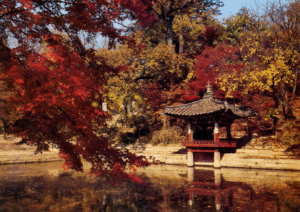
One of Seoul’s most fascinating gems is the Secret Garden (Huwon), which is hidden behind the imposing Changdeokgung Palace. This expansive garden, which was once only accessible to Korean royalty, is now open to anyone who wants to enjoy its timeless beauty. Encompassing more than 78 acres, it boasts peaceful lotus ponds, centuries-old trees, pavilions, and meandering paths that transform in hue with the changing seasons. The garden is painted pink by cherry blossoms in the spring, covered in lush greenery in the summer, radiant reds and golds in the fall, and a calm, snow-covered charm in the winter. The Secret Garden offers a tranquil haven where history and nature coexist peacefully, in contrast to the busy city outside. Changdeokgung’s Secret Garden is a must-see location in Seoul for tourists looking for culture, history, and peace.
2. Jeju Island – Nature’s Paradise
Known as the Hawaii of Korea, Jeju Island is a volcanic wonderland teeming with cultural treasures and breathtaking natural beauty. Jeju is a nature lover’s and adventurer’s dream come true because of its famous Hallasan Mountain, Korea’s highest peak, and its unusual lava tube caves. There are countless chances for hiking, cycling, and photography on the island thanks to its stunning waterfalls, beaches, and coastal trails. In addition to exploring quaint stone villages that highlight Jeju’s customs, visitors can unwind at Seongsan Ilchulbong (Sunrise Peak), a UNESCO World Heritage site renowned for its breathtaking dawn views. Jeju’s black pork barbecue and fresh seafood straight from the ocean will appeal to foodies. In Korea, Jeju Island is a must-see because of its diverse landscapes, culture, and cuisine.

3. Busan – Beaches & Beyond to the Coast
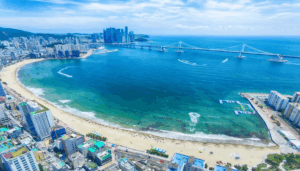
Busan, a bustling coastal city in Korea, is well-known for its seafood, beautiful beaches, and diverse culture. Haeundae Beach, the city’s most well-liked beach, is ideal for exciting water sports, summer festivals, and tanning. For a more laid-back atmosphere, Gwangalli Beach features golden sands and stunning nighttime views of the Gwangan Bridge. In addition to its beaches, Busan is home to the vibrant Gamcheon Culture Village, sometimes referred to as the “Machu Picchu of Korea,” where galleries, cafés, and murals adorn its hillside streets. Don’t miss the vibrant Jagalchi Fish Market, where you can sample the freshest seafood from Korea by the sea. You’ll understand why Busan is Korea’s best beach resort when you combine this with the picturesque Haedong Yonggungsa Temple, which is perched sharply above the waves.
4. Gyeongju – The Museum in the Air
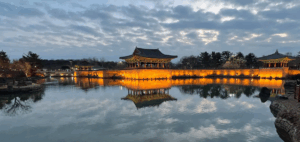
Gyeongju, sometimes referred to as the “Museum Without Walls,” is a city where history is brought to life everywhere. Stunning artifacts, royal tombs, historic temples, and traditional architecture that transport visitors back in time can be found in this former capital of the ancient Silla Kingdom. Bulguksa Temple, Seokguram Grotto, and Tumuli Park, which is home to centuries-old burial mounds, are must-see locations. Gyeongju offers visitors a singular experience of Korea’s heritage by skillfully fusing history, culture, and scenic beauty. Gyeongju genuinely feels like a living museum outdoors, whether you’re strolling through historic streets, touring UNESCO World Heritage sites, or taking in the picturesque parks and rivers.
Step back in time to the Silla Dynasty in this city of UNESCO World Heritage. Visit Bulguksa Temple, Tumuli Park and the royal ornaments that reveal a lot to the rich cultural history of Korea.
5. DMZ (Demilitarized Zone) – Uniquely Korean
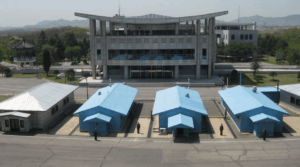
One of Korea’s most distinctive and important historical sites is the Demilitarized Zone, or DMZ. It provides tourists with a unique look at a nation split by history as it stretches along the border between North and South Korea. Visitors can explore important locations like the Joint Security Area (JSA), where they can actually see into North Korea, the Dora Observatory, and the Third Infiltration Tunnel. In addition to its political importance, the DMZ is home to a variety of wildlife and unspoiled nature, making it an intriguing blend of ecology, history, and culture. A trip here offers a genuinely remarkable travel experience, a deep understanding of Korea’s history, and its continuous path toward peace.
6. Incheon – Gateway to Korea
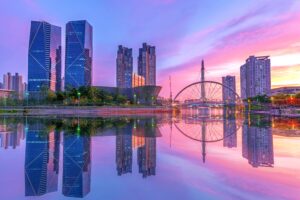
Even though Incheon’s international airport is its most well-known feature, this vibrant city has much more to offer than just a hub for travel. This is a must-visit location for tourists because it combines history and culture with contemporary innovation. Discover Incheon Chinatown, where visitors can experience a taste of multicultural Korea through its vibrant streets and genuine Chinese-Korean cuisine. The Songdo International Business District is a contemporary wonder with breathtaking architecture, smart city technology, and picturesque waterfront parks that offers a glimpse of futuristic city planning. Eurwangni Beach, which offers golden sands, fresh seafood, and soothing sunsets, is the ideal place to go if you want a quick getaway by the sea. From innovation and nature to culture and history, Incheon is undoubtedly the best way to enter Korea.
7. Andong – Preserving Tradition
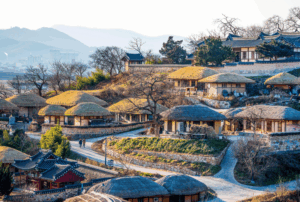
Andong, which is renowned for its rich cultural legacy and well-preserved historic sites, is frequently referred to as the center of traditional Korea. Authentic Korean architecture, traditional ceremonies, and the well-known mask dance performances (Hahoe Byeolsingut Talnori) can all be found in the city’s Hahoe Folk Village, a UNESCO World Heritage site. In addition, Andong is well-known for its delicious food, especially Andong Jjimdak, a savory braised chicken dish that both locals and visitors adore. In addition to its cuisine and architecture, Andong is the ideal location for tourists looking for a fully immersive cultural experience because it holds lively festivals that highlight Korean folk customs. Andong is a must-see location for anyone wishing to learn about Korea’s history and maintain its customs.
Andong is famous for the Hahoe Folk Village and is considered the heart of Korean culture.
The area hosts mask dance festivals and has traditional hanok houses that have been around for centuries.
8. Nami Island – A K-Drama Wonderland
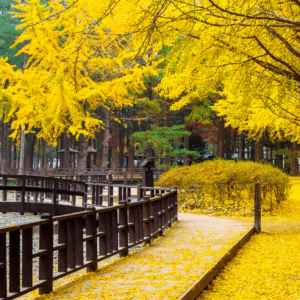
Located just outside of Seoul, Nami Island is a charming location well-known for its romantic scenery, tree-lined walkways, and picturesque rivers, all of which have appeared in numerous K-Dramas. From leisurely bike rides and riverside walks to art exhibitions and seasonal festivals, the island offers a blend of natural beauty and cultural experiences, making it a great destination for couples, families, and single people. At quaint cafés dotted throughout the island, guests can also savor coffee and regional specialties. Nami Island promises an amazing day trip full of breathtaking scenery, photo-worthy locations, and a dash of Korean pop culture magic, whether you’re a fan of K-Drama or just looking for a quiet reprieve from the city.
Only 1.5 hours from Seoul, Nami Island features tree-lined streets. It became famous worldwide with the drama Winter Sonata. A romantic getaway, particularly for couples.
9. Suwon – Fortress City
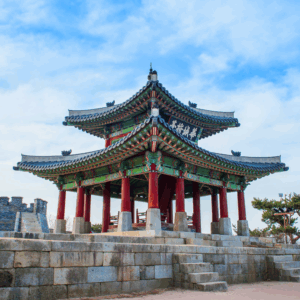
Famously known as Korea’s Fortress City, Suwon is only an hour away from Seoul and is the location of the UNESCO-listed Hwaseong Fortress. In addition to providing a stunning walking path around the city, this historic site gives visitors a glimpse into Korea’s rich past with its striking stone walls, gates, and watchtowers. A haven for foodies, Suwon is known for its signature dish, Suwon galbi, or grilled beef ribs, which draws tourists from all over the world. Suwon is not just about history. Suwon is a must-see location close to Seoul because it seamlessly combines heritage and contemporary city life, whether you’re strolling along the fortress walls at sunset or exploring traditional markets and cultural performances.
10. Jeonju – For Food & Hanok Living
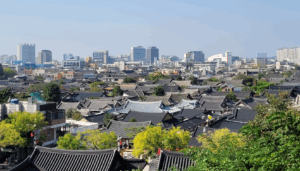
One of Korea’s most famous dishes, bibimbap, is said to have originated in Jeonju and is a must-try food for Indian tourists. The renowned Jeonju Hanok Village, where hundreds of traditional Korean homes (hanok) create a charming atmosphere, is also located in this historic city. By lodging in hanok accommodations, donning traditional hanbok, and taking advantage of the friendly Korean hospitality, visitors can experience authentic Korean culture here. Going back in time and experiencing Korean customs in their most authentic form is what Jeonju is all about, not just the cuisine.
The Seoul Lifestyle: Beyond Just Sightseeing
Seoul offers a lifestyle experience where contemporary energy blends with long-standing customs, in addition to its famous landmarks. Beyond palaces and towers, the city beckons you to discover its lively neighborhoods, busy streets, and constantly shifting trends that characterize urban Korea.
Food and Markets: A Tasty Adventure
Exploring Seoul’s street food culture is a must-do while there. The smell of sizzling food fills the air at Gwangjang Market, one of the city’s oldest and liveliest markets. Here, you can sample regional specialties like mayak gimbap (compelling mini rice rolls), bindaetteok (crispy mung bean pancakes), and tteokbokki (spicy rice cakes).It is a foodie’s paradise and a must-visit destination for Indian tourists hoping to experience real Korean cuisine, as each bite provides a window into Korea’s everyday culinary culture.
Café Culture
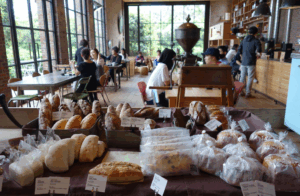
One of the most dynamic café cultures in the world is found in South Korea, which combines creativity, lifestyle, and flavor. Every corner in Seoul has something unique to offer, from chic minimalist cafés to distinctive themed locations like pet cafés, flower cafés, and rooftop cafés with city views. Speciality coffee, creative desserts, and visually appealing interiors make these cafés more than just a coffee shop; they’re authentic cultural experiences. Korea’s café scene is a must for any traveler, whether they are looking for cozy places to unwind or are exploring Seoul’s unique cafés.
Han River Picnics
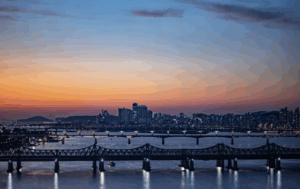
In Seoul, Han River picnics are one of the most popular pastimes for both residents and visitors. The Han River, which runs through the center of Seoul, provides the ideal environment for resting, unwinding, and taking in the lively culture of the city in a natural riverbank setting. Families, couples, and groups of friends frequently congregate here to enjoy cycling, boating, or taking leisurely walks along the picturesque paths. Ordering delectable Korean food, particularly fried chicken and ramyeon, to be delivered right to your picnic location is one of the highlights of a Han River picnic, adding a distinctively Korean touch to the occasion. Visitors are treated to breath-taking views of the illuminated bridges and glowing skyline as the sun sets, transforming the riverbank into a charming and romantic getaway.A picnic by the Han River is a must-do activity in Seoul for both first-time and returning tourists, fusing leisure, cuisine, and culture into one memorable excursion.
Travel Tips for Indians Best Time to Visit in South korea
Cherry blossoms in Spring (April–June), and moderate climate and painting-like landscapes in Autumn (Sept–Nov).
Food Options
Indian cuisine is found in Seoul and Busan. Vegetarians have bibimbap (without meat), kimchi pancakes, and temple food to savor.
Transport
Purchase a T-money card for buses and subways. Navigate using Naver Maps or Kakao Maps.
Online language
Simple English is sufficient in tourist spots, but it helps to know some common phrases like annyeonghaseyo (hello) and kamsahamnida (thank you).
FAQs for Indians Traveling to South Korea
Do Indians require a visa to travel to South Korea?
Yes. Tourist visas can be applied for through the Korean Embassy or its centers. Jeju has visa-free entry for brief tours.
Is South Korea vegetarian-friendly?
Choices are scarce but increasing. Large cities have Indian restaurants and vegetarian cafes. Temple food is another wonderful option.
How long does it take in South Korea?
7–10 days to see Seoul, Jeju, Busan, and a couple of cultural towns.
What foods must I try in Korea?
Bibimbap, samgyeopsal (BBQ), tteokbokki, bingsu, and kimchi stew.
Can I do day trips from Seoul?
Yes. Popular among them are Nami Island, DMZ tours, and Everland Theme Park.
For official travel information and other resources, you can also visit the Korea Tourism Organization Website
